


























I’ve seen countless online games rise and fall, but witnessing the cultural moment around Topo Mole Game has been genuinely invigorating. It’s not just another casino title; it’s becoming a vibrant, shared experience, especially resonating within creative circles. The recent buzz connecting it to the art fair scene is a fascinating case study in modern digital culture.
The Surprising Convergence of Digital Play and Art World Energy
At first glance, a whimsical arcade-style game and a sophisticated art fair seem worlds apart. Yet, I’ve witnessed a thrilling convergence. Both environments flourish with surprise, discovery, and immediate emotional payoff. The kinetic energy of a bustling fair, where you discover a stunning piece around every corner, echoes the delightful unpredictability of Topo Mole Game’s mechanics.
This isn’t mere coincidence. The game’s visual language—bold, clean, and playful—mirrors pop art sensibilities. Its core loop of ‘spot and tap’ needs a sharp, intuitive eye not unlike appraising a compelling artwork. Players are cultivating a specific kind of visual literacy, which is overflowing into how they engage with art in physical spaces.
Breaking Down the Cultural Crossover
So, how exactly does a digital game infiltrate such a distinct scene? From my analysis, it functions on multiple levels, creating a perfect storm of relevance. It’s more than just a shared aesthetic; it’s about shared values of timing, reward, and community.
The Artistic Appeal: Pop Art and Play
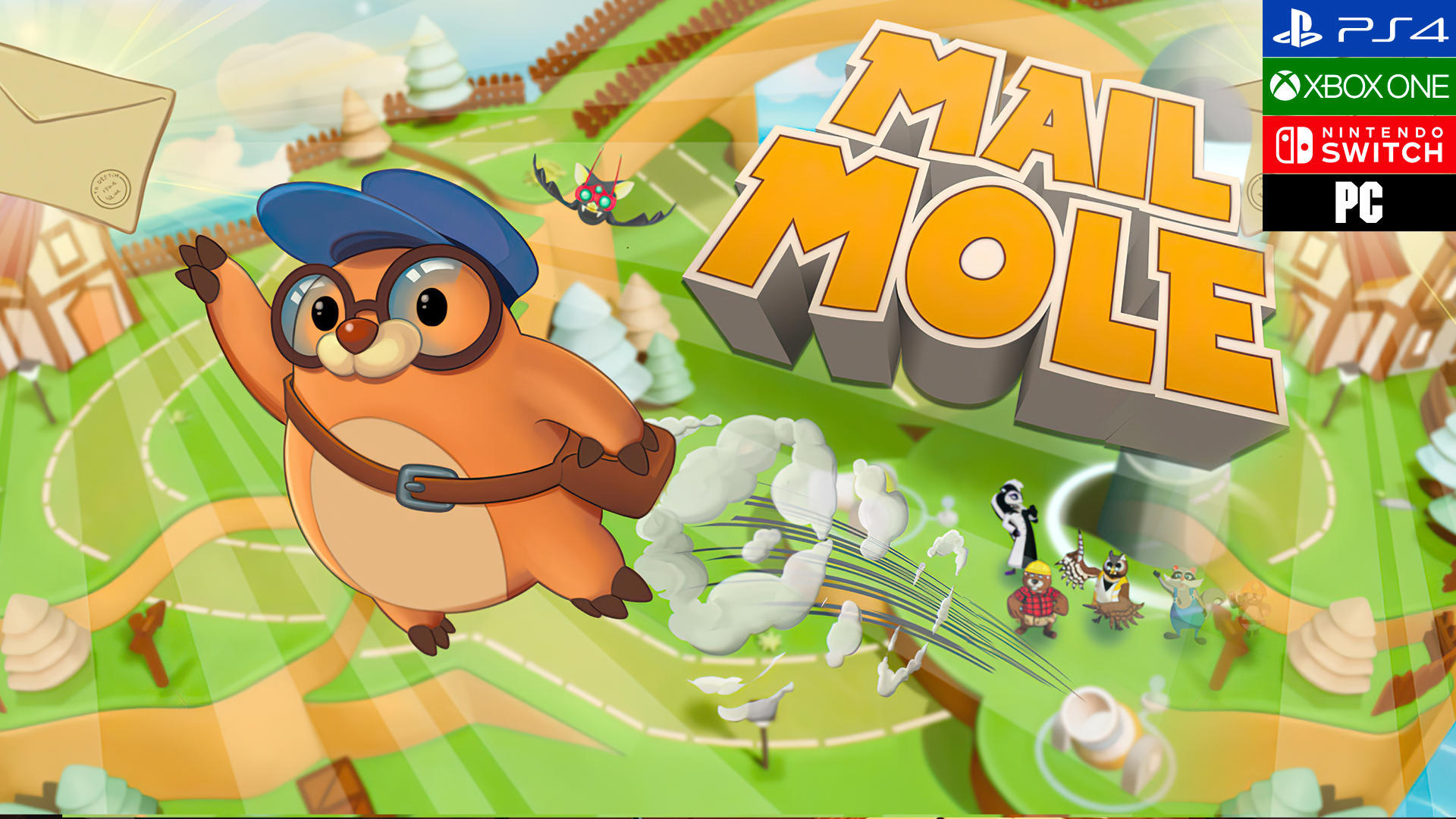
The visual design of Topo Mole Game is key, https://topomole-casino.com/. Its characters are simple yet charismatic, with a cartoonish charm that feels both nostalgic and contemporary. This parallels the accessible appeal of artists like Keith Haring or Takashi Murakami. The game world is a curated digital gallery of fun, where every mole popping up is a momentary, collectible delight.
Community Builder and Shared Vocabulary
I’ve seen the game acting as a fantastic social icebreaker. At events, conversations easily flow from discussing an artist’s technique to sharing strategies for hitting a high score. Phrases from the game become part of the social lexicon, building an in-the-know community that links online and offline worlds seamlessly and joyfully.
Topo Mole Game Game Mechanics as a Fresh Form of Engagement
Let’s explore the gameplay itself. The mechanic is incredibly simple: spot the unique mole and act fast. This cultivates a distinct type of engagement—deeply attentive yet playful. I find it hones a form of quick pattern recognition and decisive action, a mindset that translates beautifully to exploring a crowded art fair teeming with visual stimuli.
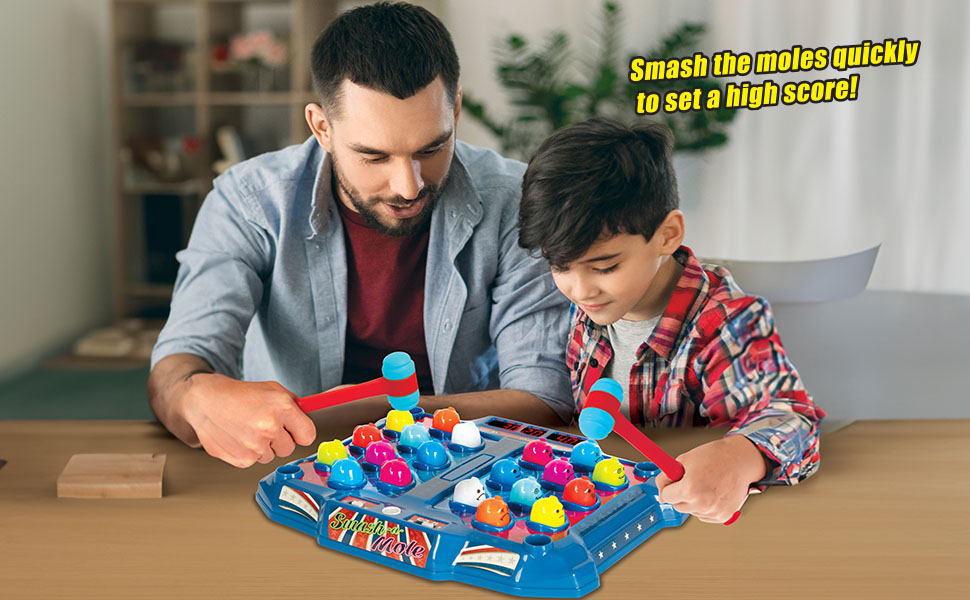
The reward system is similarly ingenious. Immediate, satisfying feedback loops hold players in a state of eager anticipation. This mirrors the thrill of uncovering that one perfect piece of art after browsing many. The game, in essence, turns into a game the very act of selecting and discovery, making players feel like savvy collectors of moments.
What Makes This Game Timely?
The cultural timing is impeccable. We live in a moment where digital and physical experiences are continually blending. Topo Mole Game doesn’t try to simulate a complex world; it provides a pure, concentrated burst of fun. This simplicity is its strength, providing a cognitive palate cleanser that complements the often thought-heavy atmosphere of art fairs.
Furthermore, its accessibility is paramount. You need no specialized knowledge to play, similar to how contemporary art fairs are aiming to be more welcoming. This low barrier to entry, combined with deep mastery potential for mastery, creates a wide appeal that unites casual observers and devoted enthusiasts alike.
The Broader Impact on General Gaming and Cultural Understanding
The occurrence surrounding Topo Mole Game is accomplishing more than creating happy players; it’s quietly altering perceptions. It illustrates that a well-designed game can be a true cultural landmark, talked about with the same enthusiasm as a recent exhibition or artist. This raises the dialogue around gaming as a whole.
I’m seeing it confront old stereotypes about casino-style games being purely transactional. Here, the primary currency is concentration and sharp wit, not just chance. This reframing is impactful, drawing an group that appreciates skill and artistic unity, thereby enriching the player community with different outlooks.
Future Predictions: What Is the Next Step for This Trend?
Thinking forward, I’m excited by possibilities about the possible development. Will we observe real-world art displays derived from the game’s motifs? Could partnerships with online artists for limited-edition in-game skins arise? The division between being a player and a patron of engaging art feels progressively blurred.
The game’s framework is also ideal for thematic adaptations. Picture special ‘Art Fair Edition’ events within the game, showcasing original visuals and soundscapes. This would solidify its role not just as a game, but as a stage for celebrating creativity, further enhancing its cultural integration.
Adopting the Playfulness: A Subjective Perspective on the Movement
From my standpoint as a reviewer, this whole phenomenon is a welcome shift. It’s a reminder that society is natural and impulsive. Topo Mole Game didn’t force its way into these communities; it was taken up because it authentically complements a routine. That genuine bond is marketing gold, but more critically, it’s just pure fun.
My passion arises from witnessing how recreation can be a unifying power. In a world often divided, the straightforward, widespread pleasure of the game creates common ground. It shows that cultural phenomena can arise from the most unforeseen settings, turning a round of informal fun into a collective, creative experience.
